Solving Complex Industrial Challenges
At 360 Automation and Controls, we pride ourselves on our ability to tackle and solve complex automation challenges across various industries. Our team of experts leverages cutting-edge technology and a deep understanding of automation processes to deliver tailored solutions that drive efficiency and innovation.
Customized Automation Solutions
We deliver tailored automation systems designed to improve efficiency, optimize operations, and support scalable industrial growth.
Advanced System Integration
Our expertise in system integration allows us to seamlessly connect various components and technologies, creating a cohesive and efficient automation system that enhances overall productivity.
Expert Consultation and Support
We provide expert consultation and ongoing support to help you navigate complex automation challenges and ensure the successful implementation and maintenance of your systems.
Our Value-Added Services
We offer a variety of value-added services to enhance your automation projects, ensuring efficiency and excellence through dedicated expertise.
Comprehensive Solutions
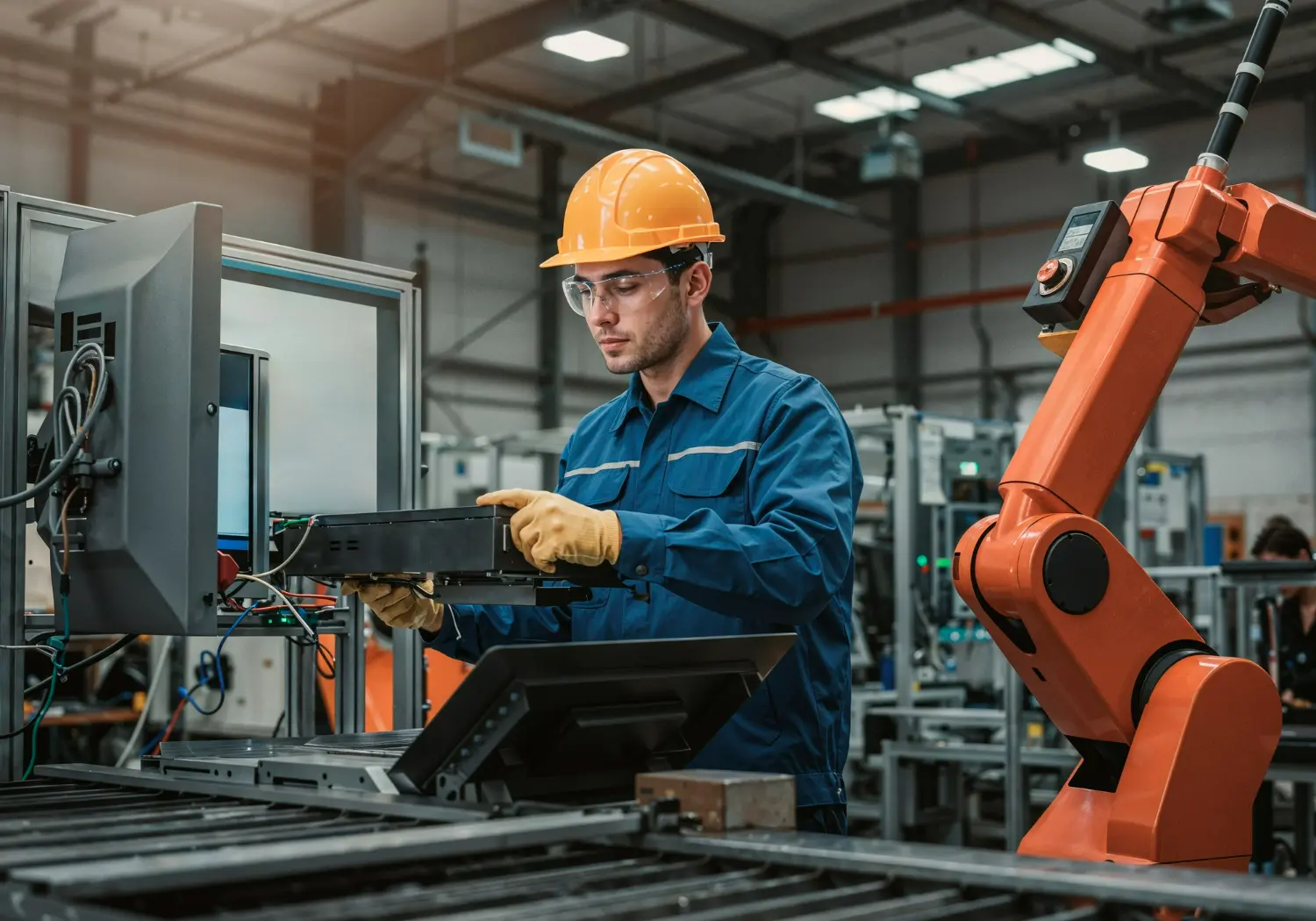
We provide end-to-end automation solutions designed to improve productivity and operational efficiency. From system planning and installation to integration, maintenance, and technical support, our experts ensure reliable performance. Our tailored solutions help businesses streamline processes, reduce downtime, and achieve long-term success with confidence.
Time and Cost Efficiency
Save time and resources by leveraging our cost-effective solutions and expert services.
Latest Technology
Stay ahead with the latest advancements in automation technology tailored to your needs.
Industry Expertise
Leverage our deep expertise to complement your in-house resources effectively.
Customer Experience
We ensure a seamless and positive experience for end users with our solutions.
Collaboration for Success
Focus on your strengths while we manage and implement your automation projects efficiently.
Digital Twin & Information Layer
Create real-time digital representations of your assets and processes to monitor performance, analyze data, and make informed decisions. Improve operational visibility, efficiency, and predictive maintenance with connected digital insights.

Virtual Commissioning
Virtual commissioning involves using digital models and simulations to validate and optimize systems and processes before physical implementation. This approach allows teams to test and refine designs in a virtual environment, minimizing risks and enhancing project outcomes. Overall, virtual commissioning transforms traditional commissioning methods by leveraging technology to improve efficiency, reduce costs, and enhance system performance.
Programming Standard / Process Standardization Implementation
Programming standards and process standardization refer to the establishment of consistent practices, guidelines, and protocols within software development and operational processes. This approach ensures that all team members follow the same rules and methodologies, leading to improved quality and efficiency.
Industrial Network
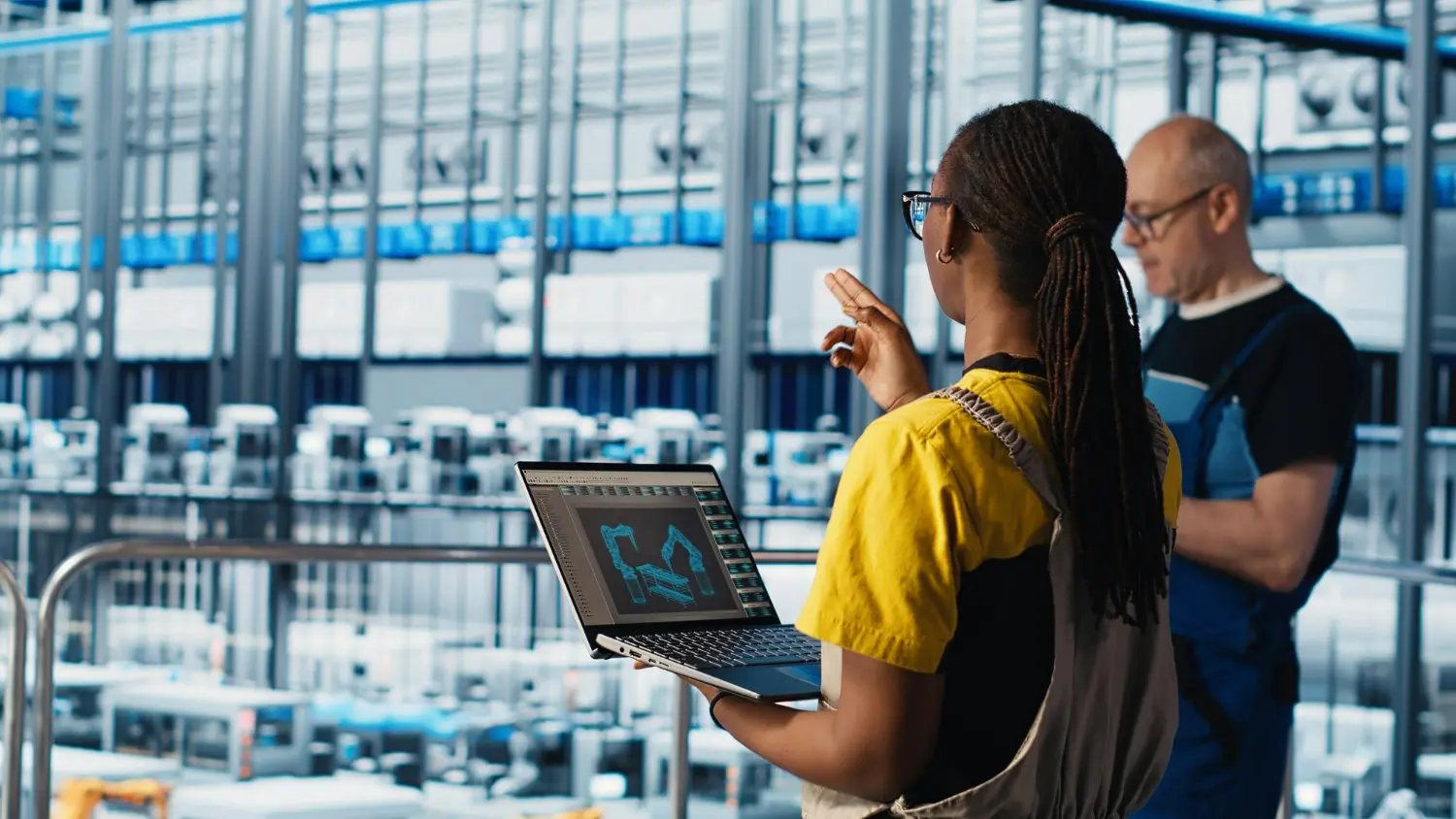
Industrial network solutions are essential for modern manufacturing and industrial environments, providing the infrastructure necessary for efficient, reliable, and secure operations. By leveraging these solutions, organizations can enhance their productivity, reduce costs, and adapt to the evolving landscape of Industry 4.0.

Plant Digitalization
Plant digitalization transforms traditional manufacturing processes into intelligent, data-driven operations. By leveraging these technologies, organizations can achieve significant improvements in efficiency, quality, and agility, positioning themselves for success in a competitive landscape.
MES Integration
MES integration is a critical component of modern manufacturing operations, enabling organizations to achieve higher efficiency, quality, and agility. By connecting MES with other systems and equipment, manufacturers can create a more cohesive and responsive production environment, positioning themselves for success in a competitive landscape.
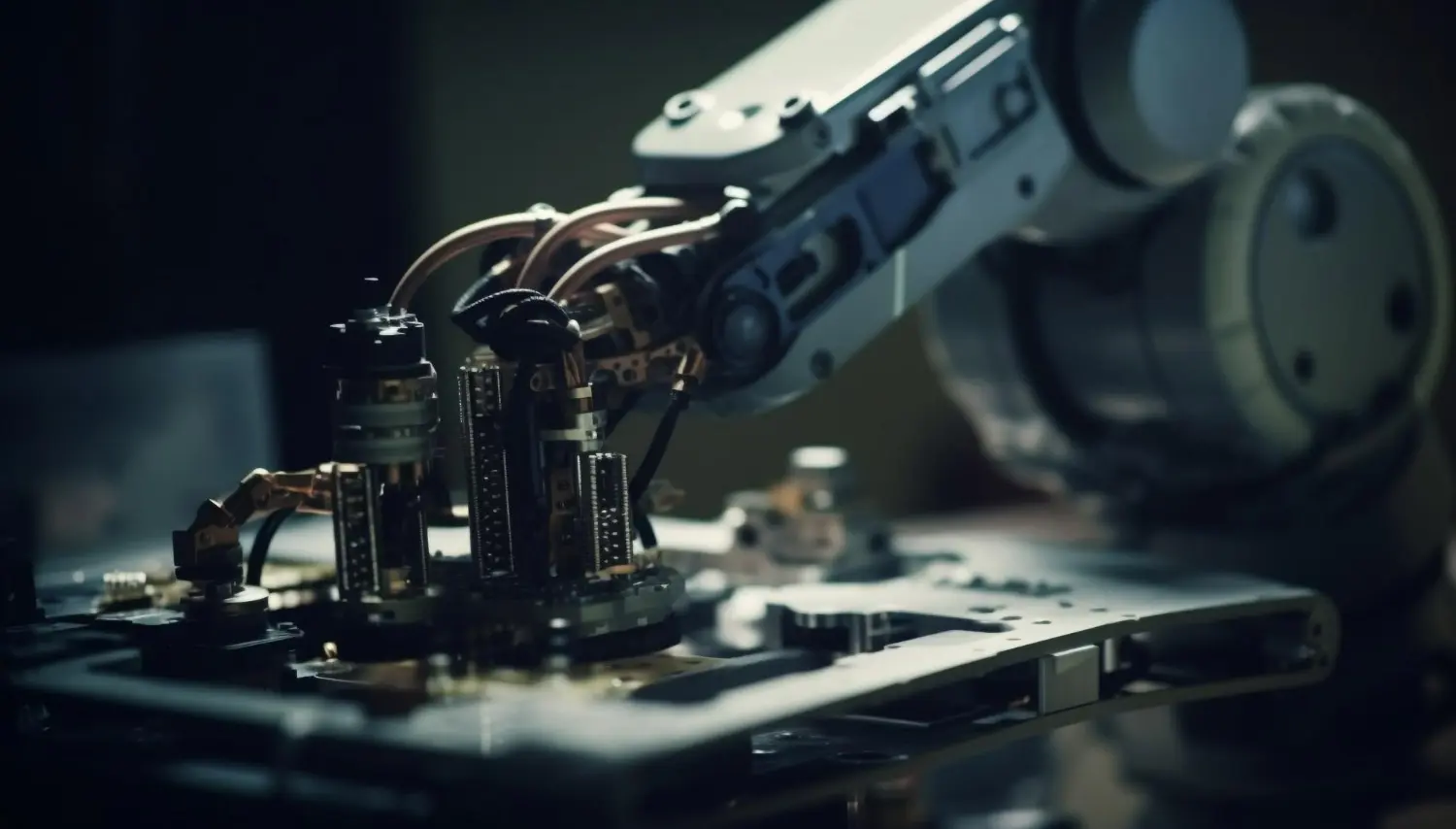
Robotic Integration
Robotic integration involves incorporating robotic systems into manufacturing and operational processes to automate tasks, improve efficiency, and enhance productivity. This integration often includes software, hardware, and communication systems to ensure seamless interaction between robots and existing machinery or processes. Robotic integration is a transformative approach for modern manufacturing and operational processes. By incorporating robotics and related services, organizations can achieve significant improvements in efficiency, quality, and safety, ultimately driving competitiveness in their industries.
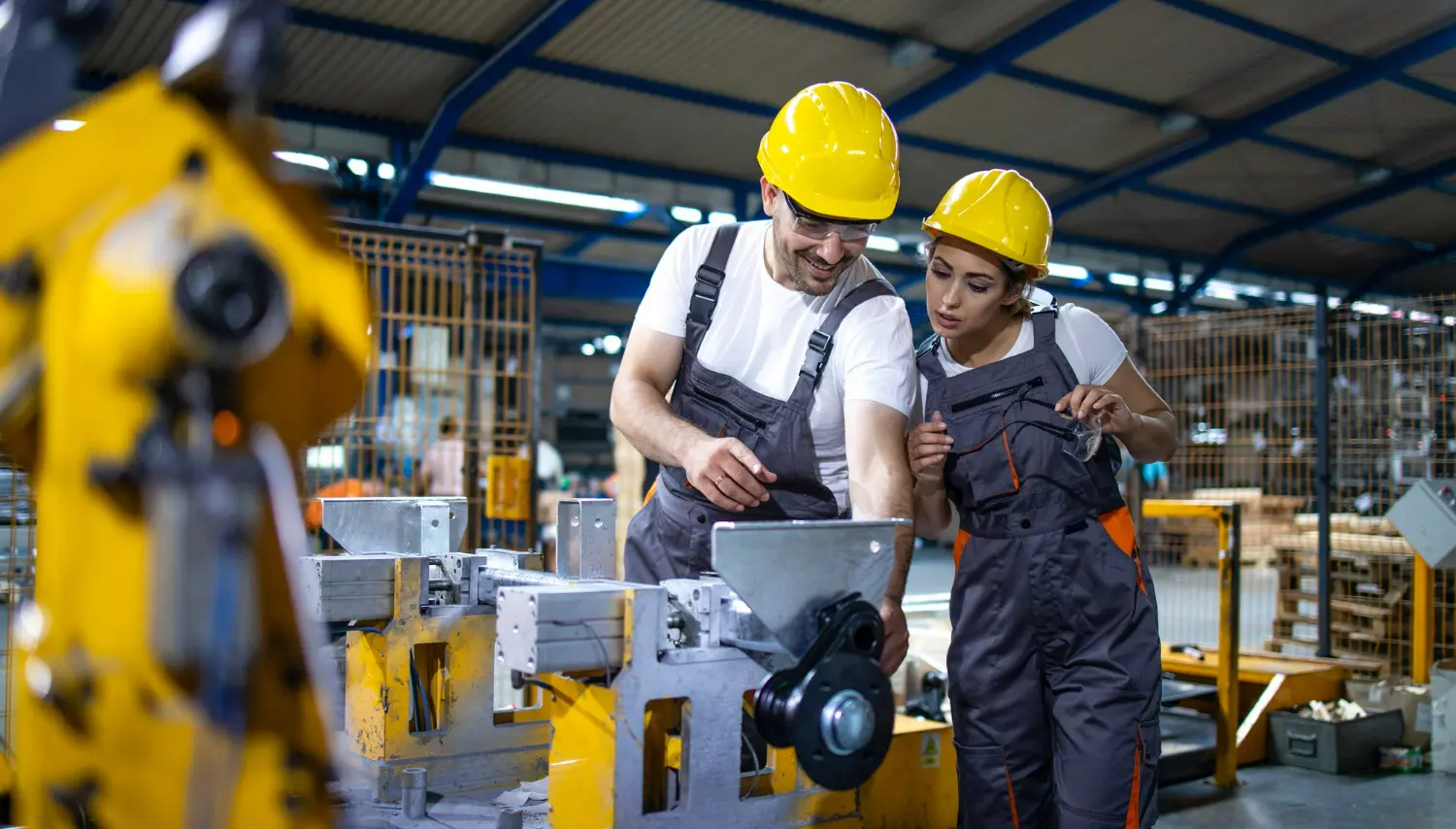
Vision System Integration
Vision system integration involves incorporating camera-based technologies and software into manufacturing processes to enable automated inspection, guidance, and analysis. These systems utilize advanced imaging techniques, including 2D and 3D vision, to inspect products, guide robotic systems, and gather data for quality control. Integrating vision systems into manufacturing processes provides numerous benefits, from improved quality control to increased efficiency and cost savings. By leveraging advanced imaging technologies, organizations can enhance their operational capabilities, reduce waste, and ultimately deliver higher- quality products.

Data Logic
Data logic is essential for effective data management and utilization in any organization. By structuring and processing data appropriately, businesses can enhance decision-making, improve operational efficiency, and leverage data for competitive advantage.

Cycle Time Optimization
Cycle time optimization is crucial for improving the efficiency and effectiveness of production processes. By focusing on reducing cycle times, organizations can enhance productivity, reduce costs, and improve overall quality, ultimately leading to greater competitiveness in the market.
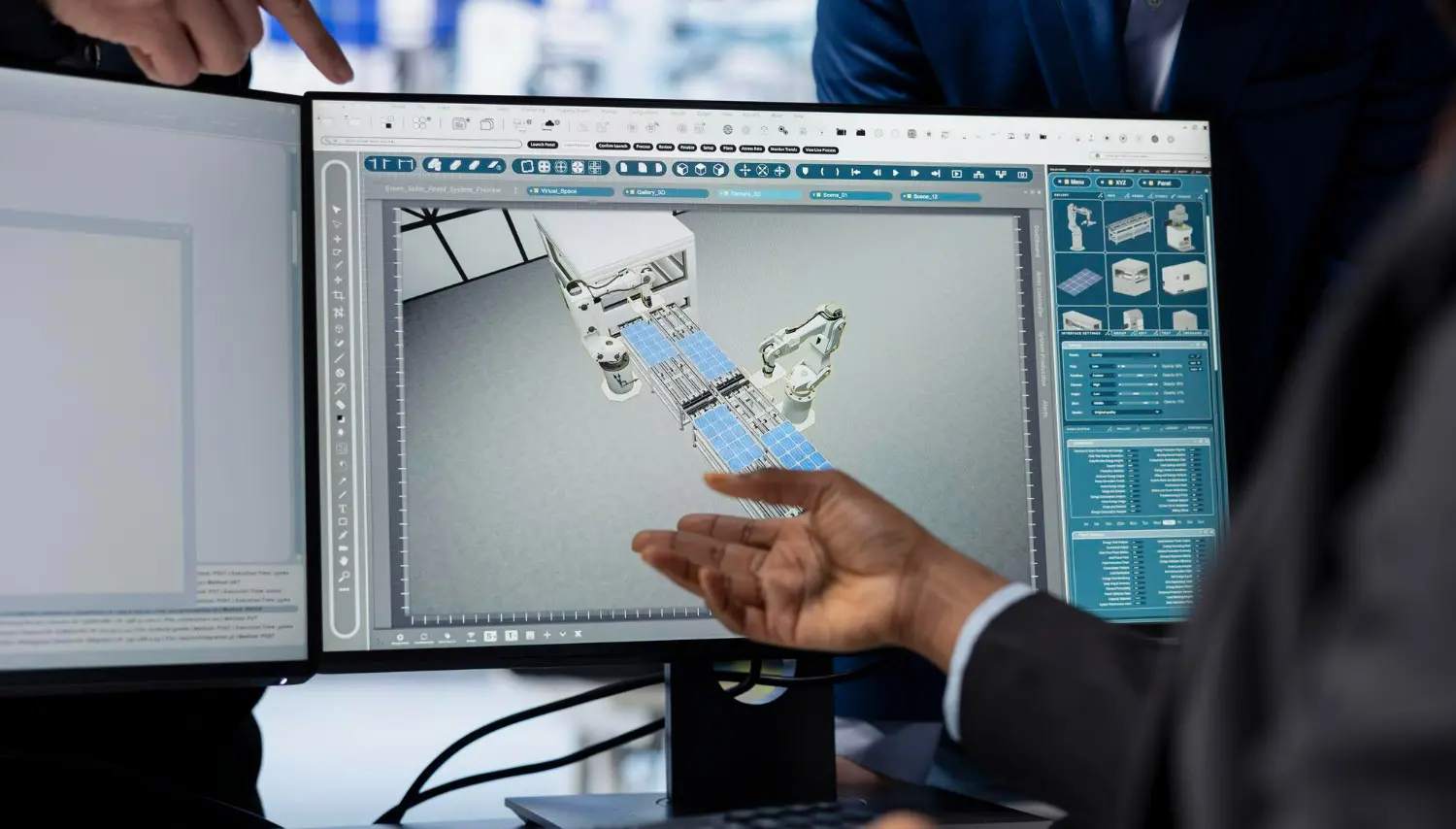
Plant Production Scheduling Software
Plant production scheduling software is essential for modern manufacturing operations. By enhancing efficiency, resource utilization, and flexibility, it allows organizations to meet production demands effectively while reducing costs and improving overall quality. Investing in such software can significantly contribute to a manufacturer’s competitive edge in the market.
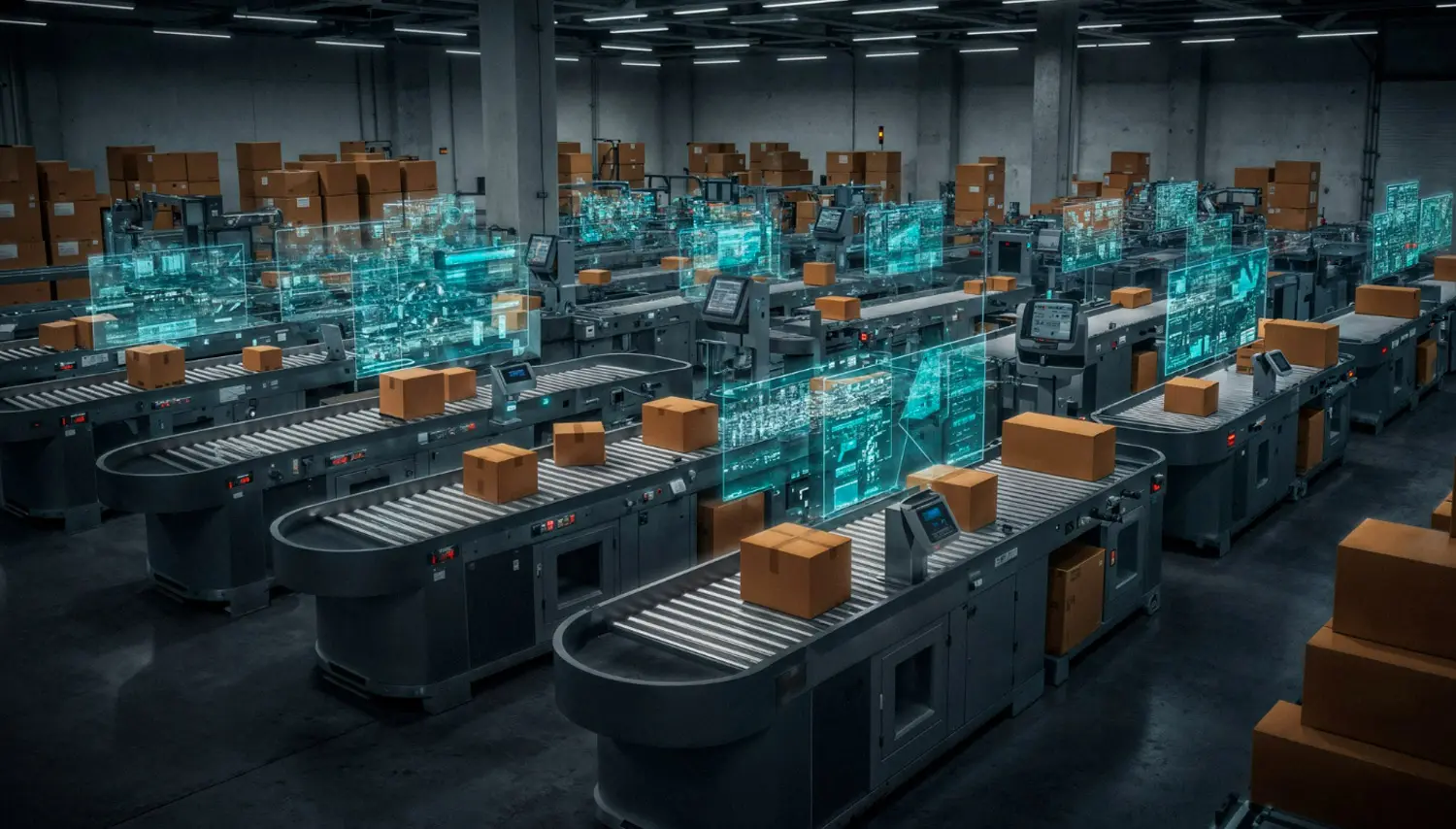
EMS Conveyor Integration
EMS (Electronic Manufacturing Services) conveyor integration refers to the implementation of conveyor systems designed specifically for electronic manufacturing processes. This integration involves the seamless connection of conveyor technology with production lines to facilitate the movement of materials, components, and finished products. Integrating EMS conveyor systems into manufacturing processes provides numerous advantages, from improved efficiency and productivity to enhanced safety and quality control. By automating material handling, organizations can optimize their operations, reduce costs, and better meet customer demands.
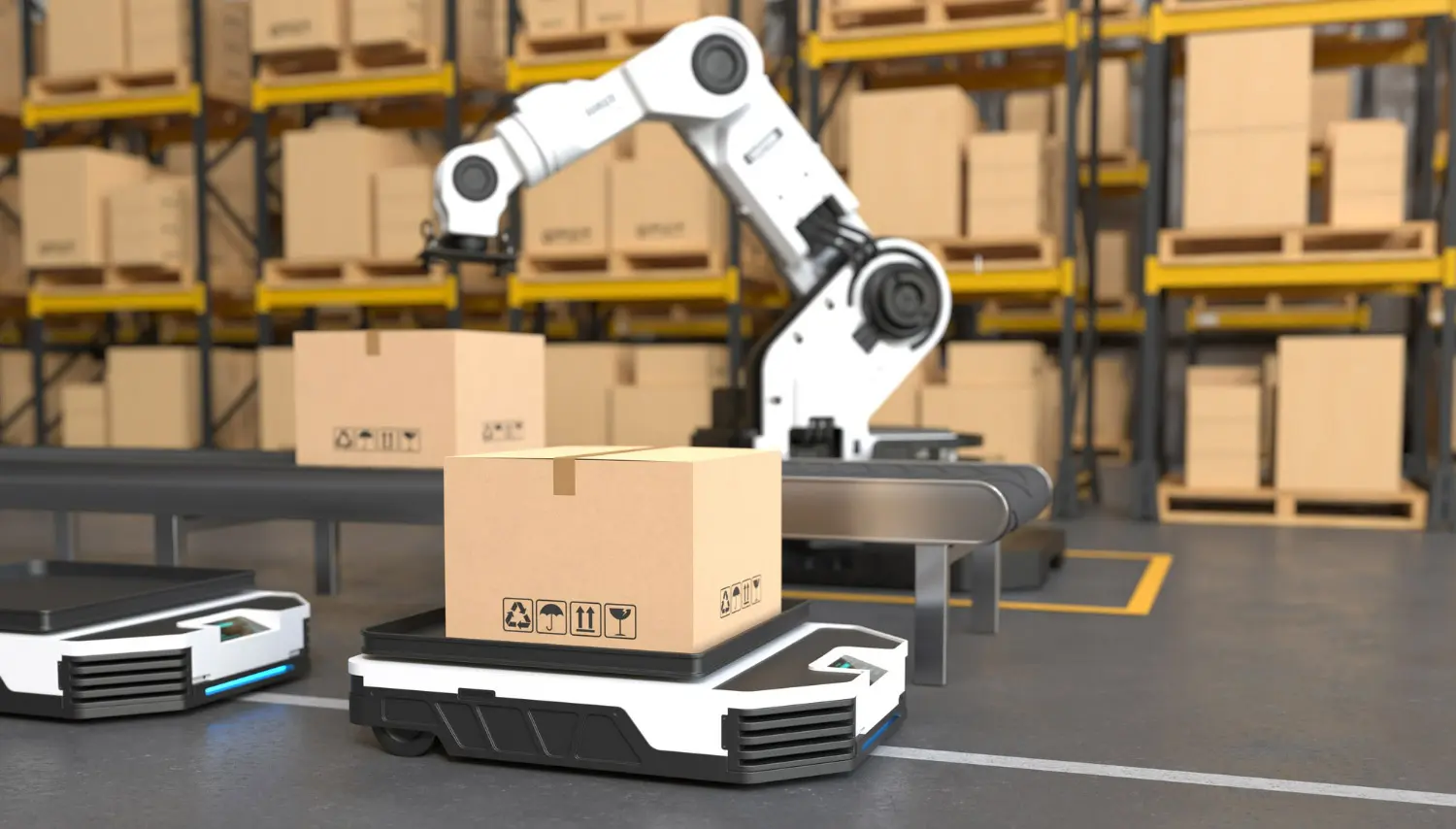
Roller Bed, Lifter Integration
Integrating roller beds and lifters into material handling systems offers significant advantages in terms of efficiency, safety, and flexibility. This combination allows organizations to optimize workflows, reduce costs, and improve overall operational effectiveness, making it a valuable investment in modern manufacturing and logistics environments.
Lift & Carry / Shuttle Integration
Integrating lift & carry and shuttle systems into material handling processes provides numerous advantages, including increased efficiency, reduced labor costs, and improved safety. By automating the transportation and positioning of materials, organizations can optimize their operations, enhance productivity, and better respond to changing market demands.
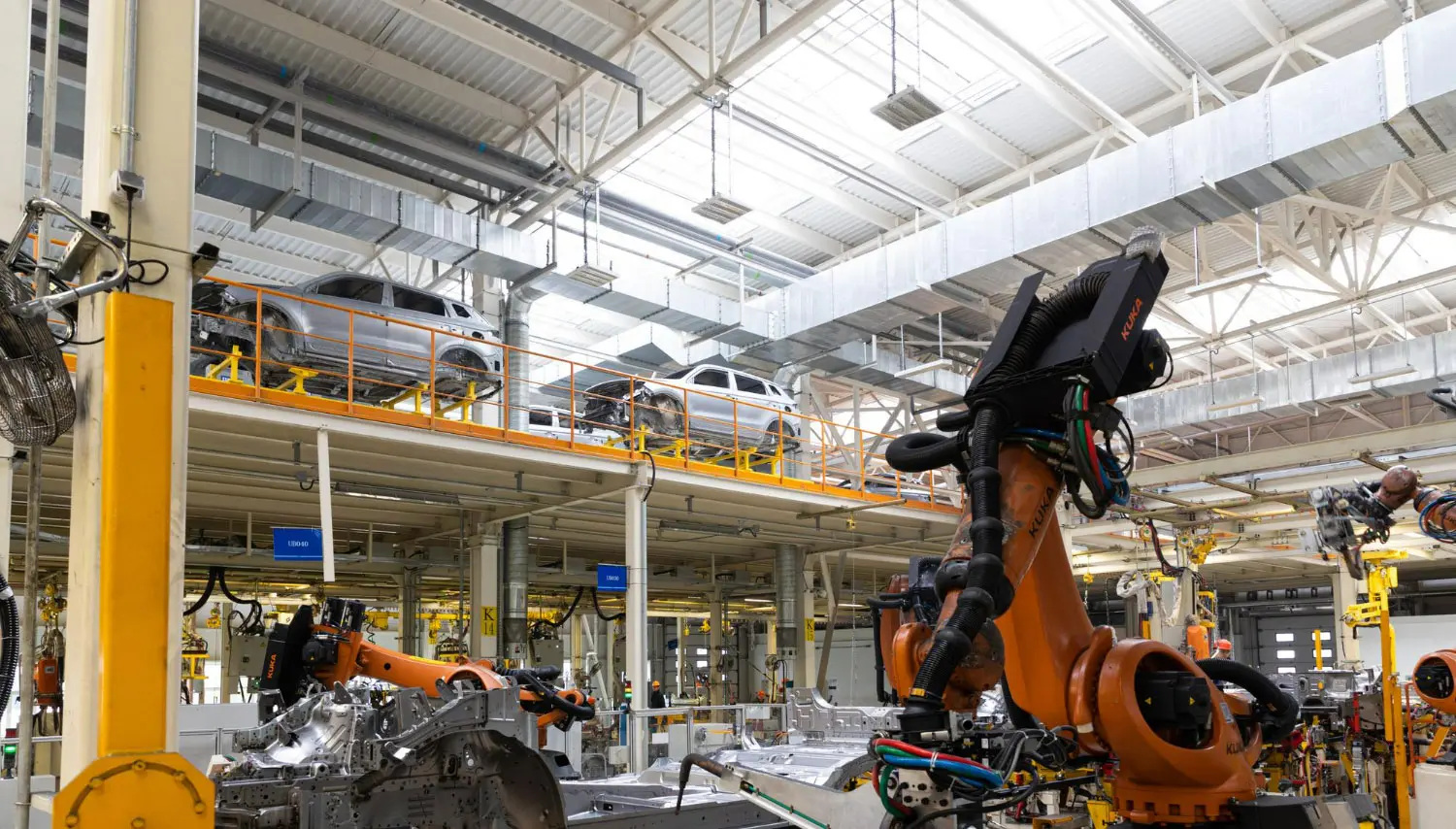
Turn Table
Turntable solutions enhance material handling processes by improving efficiency, accessibility, and safety in various operational settings. By integrating turntables into workflows, organizations can optimize space, reduce labor costs, and ultimately enhance productivity and quality in their operations.